Source reusable portable plastic pee bottle for travelers, campers, bedridden
Compare 30 listings for a reusable portable plastic pee bottle designed for male users, travelers, and bedridden individuals. Products feature PP material, narrow mouth designs, and customization options with prices ranging from 0.2 to 4.44 USD; compare the available evidence and request quotations based on your requirements.
Key considerations
Products List




Comprehensive Sourcing Guide
Reusable Portable Plastic Pee Bottle Sourcing Guide
Procuring reusable portable plastic urinals requires a clear distinction between medical-grade devices for bedridden patients and general-purpose hygiene tools for travelers or pets. The market offers a diverse range of products, from narrow-mouth PP bottles designed for male users to specialized bowls for animal care. Buyers must first define the end-user context, as this dictates the necessary material properties, ergonomic features, and sterilization requirements. Understanding these distinctions is critical for selecting the right product category and avoiding mismatches between supplier capabilities and actual operational needs.
This guide focuses on the technical and commercial aspects of sourcing these items, emphasizing verification of material safety and structural integrity. While many listings highlight portability and eco-friendly attributes, buyers must verify that the plastic type, typically polypropylene (PP), meets specific durability and chemical resistance standards. The following sections provide a structured approach to evaluating product scope, technical specifications, compliance documentation, cost structures, supplier qualifications, and long-term procurement strategies to ensure a successful sourcing outcome.
Product Scope and Observed Listing Signals
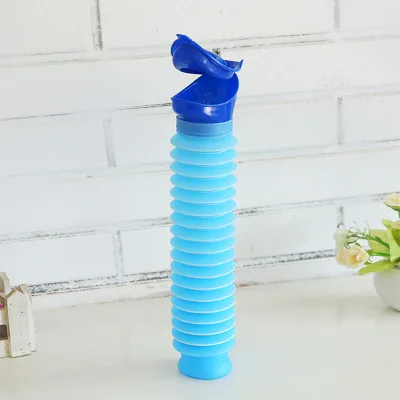
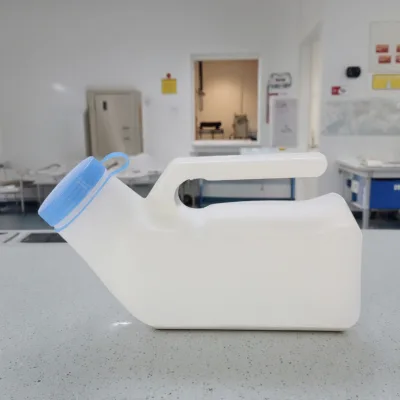
The observed product landscape includes items explicitly labeled for male users, such as the "Home Care Male Portable Urinal," alongside products suitable for dogs, indicating a broad scope that spans human medical care and pet accessories. Listings often feature simple, square, or narrow-mouth bottle shapes made from PP plastic, with weights ranging from 65g to 90g, suggesting lightweight designs optimized for mobility. These products are frequently marketed as non-disposable and customizable, with options for printed logos and multicolor finishes, catering to both institutional bulk orders and personalized retail needs.
Buyers should note that while many items are described as eco-friendly and recyclable, the specific plastic type and sterilization methods vary significantly across suppliers. Some products undergo ethylene oxide sterilization and come with a one-year quality guarantee, targeting healthcare facilities, while others are packaged in simple polybags or blister packs for general consumer use. The presence of OEM/ODM branding options suggests that many manufacturers are prepared to produce private-label goods, allowing buyers to create branded solutions for specific markets, such as emergency kits or travel accessories.
Technical Specifications to Verify
Verifying the material composition is paramount, as polypropylene (PP) is the predominant plastic type cited for its durability and chemical resistance. Buyers must confirm that the PP used is food-grade or medical-grade, depending on the intended application, to ensure safety and longevity. The narrow mouth design is a common feature, facilitating controlled flow and reducing spillage, but the exact dimensions and bottleneck specifications should be validated against ergonomic requirements. Additionally, the weight of the unit, often listed between 65g and 90g, impacts portability, so buyers should request samples to assess the balance and ease of handling during use.
Packaging and model numbers provide further insight into product differentiation and quality control processes. Models such as CP-3814, CP-3811, and PWB-5305 indicate distinct variants, each potentially with unique features or target audiences. Packaging methods, ranging from individual polybags to blister packs and carton quantities of 100 pieces, affect logistics and storage efficiency. Buyers should verify that the packaging protects the product from damage during transit and clearly displays essential information, including usage instructions and material composition, to ensure end-user safety and satisfaction.
Compliance and Safety Documentation
For products intended for human use, particularly in medical or caregiving contexts, compliance with hygiene and safety standards is non-negotiable. Buyers must request documentation confirming that the products have undergone appropriate sterilization processes, such as ethylene oxide sterilization, to ensure they are free from harmful pathogens. The presence of a quality guarantee period, often cited as one year, suggests a manufacturer's confidence in their product's durability and safety, but buyers should verify the terms and conditions of this guarantee to understand the scope of coverage and return policies.
Additionally, buyers should inquire about the specific standards or certifications that the products meet, such as ISO or FDA requirements, although these are not explicitly listed in all observations. The absence of explicit certification details in some listings necessitates direct verification with the supplier to ensure that the products comply with local regulations in the destination market. Buyers should also check for any material safety data sheets (MSDS) to confirm that the plastic components do not leach harmful chemicals, ensuring the product is safe for prolonged or repeated use.
Cost Drivers and Commercial Terms
The cost of reusable portable plastic urinals is influenced by several factors, including material quality, customization options, and order volume. The observed price range of $0.2 to $4.44 USD reflects significant variation based on these factors, with higher prices likely associated with medical-grade materials, sterilization, and complex packaging. Minimum order quantities (MOQs) ranging from 1 to 3000 pieces allow for flexibility, but buyers should be aware that lower MOQs may come with higher per-unit costs, while larger orders can benefit from economies of scale.
Customization services, such as logo printing and color selection, add value but also increase production complexity and cost. Buyers should negotiate clear terms regarding the cost of molds, setup fees, and sample charges, especially for OEM/ODM projects. Packaging options, from simple polybags to branded boxes, also impact the final cost, so buyers should align packaging choices with their distribution strategy and budget constraints. Understanding these cost drivers helps in making informed decisions that balance quality, customization, and affordability.
Supplier Qualification and Quality Control
Selecting a reliable supplier involves assessing their manufacturing capabilities, quality control processes, and track record. Buyers should verify that the supplier has experience in producing plastic medical or hygiene products, as this indicates familiarity with relevant standards and production techniques. Requesting samples is a crucial step to evaluate the product's build quality, material feel, and functionality, ensuring that it meets the specified requirements for portability and ease of use. Buyers should also check for any customer reviews or references to gauge the supplier's reliability and customer service quality.
Quality control measures, such as in-process inspections and final product testing, are essential to ensure consistency and safety. Buyers should inquire about the supplier's quality management systems and whether they conduct regular audits or certifications. The presence of a one-year quality guarantee suggests a commitment to product durability, but buyers should clarify the process for handling defects or returns. Establishing a clear communication channel with the supplier for addressing quality issues is vital for maintaining a successful long-term partnership.
Long-Term Procurement Checks
Establishing a long-term procurement strategy requires regular monitoring of product performance and supplier reliability. Buyers should implement a feedback loop with end-users to gather insights on product usability, durability, and any issues encountered during use. This feedback can inform future purchasing decisions and help identify areas for improvement in product design or supplier selection. Regularly reviewing supplier performance metrics, such as on-time delivery rates and defect rates, ensures that the supplier continues to meet the buyer's expectations and standards.
Additionally, buyers should stay informed about changes in regulations, material standards, and market trends that may impact the sourcing of reusable portable plastic urinals. Building a diversified supplier base can mitigate risks associated with supply chain disruptions or quality issues. By maintaining open communication with suppliers and staying proactive in quality management, buyers can ensure a steady supply of high-quality products that meet the evolving needs of their customers and end-users.
FAQs
What material is used for the reusable portable plastic pee bottle?
The product is constructed from durable PP plastic, ensuring safety and longevity for repeated use. This material choice supports the eco-friendly feature while maintaining structural integrity for both male and female users in various settings like home care or travel.
Can the bottle be customized with a specific logo or design?
Yes, customization is available for this product, allowing buyers to add their own logo or design elements. The item supports OEM and ODM services, making it suitable for brands seeking tailored solutions for their specific market needs and branding requirements.
Which shape and color options are available for this urinal bottle?
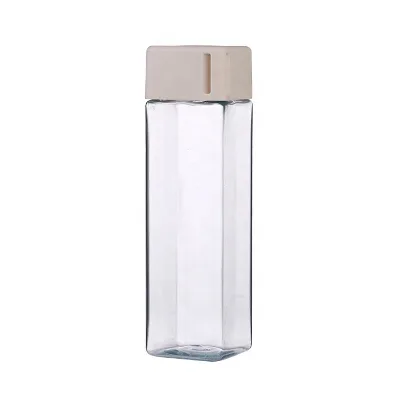
The bottle features a square shape and comes in multicolor options including blue and gray. Specific model numbers like CP-3814 and CP-3811 indicate different color variations, providing flexibility for buyers who need specific aesthetic matches for their target audience or product line.
How is the product packaged for shipping and retail display?
Packaging options include single items in PE polybags or blister packs, with bulk cartons holding 100 pieces. The carton size is 59 by 44 by 37 cm, ensuring efficient storage and transport while protecting the individual units during international shipping to various global destinations.
What is the weight and portability of the portable urinal bottle?
The device weighs between 65 grams and 90 grams depending on the specific model, making it highly portable. This lightweight design allows bedridden users, travelers, and campers to easily carry the bottle without adding significant burden to their daily activities or luggage.
Is the product suitable for use by pets or animals?
While primarily designed for human use, some listed attributes indicate suitability for dogs regarding feeding and water usage. However, the main product name specifies it as a male portable urinal, so buyers should verify specific model compatibility for animal applications before purchasing.
What is the origin and lead time for manufacturing these bottles?
The products originate from Zhejiang, China, a major manufacturing hub for plastic goods. While specific lead times are not explicitly stated in the provided facts, the location indicates access to established supply chains capable of handling both small and large order volumes efficiently.